Aaronic as Anti-Christ

Aaronic priesthood is a substitute for Christ, by its nature, it’s recipients don’t receive Melchizedek1. Aaronic, any time it’s established, with its rituals and rules becomes a replacement for Christ, it becomes the thing unto itself. They find justifications for the lack of the actual presence of Christ, so that Christ is no longer needed. So when a Melchizedek priest finally comes along, he is, for most, a usurper. Someone who is upsetting the balance of people who already decided they have salvation. Like Denethor, the steward often has to be violently and traumatically overthrown, for the true king to rule.

The few inside the Aaronic group that accept the Melchizedek priest are perhaps called “the humble followers of Christ”, but within the group that claims to accept him, there are many who immediately ask for rules and regulations so that the anti-Christ system can soon be reestablished and they can become its new rulers.

The “Law of Joseph” was given only 200 years ago and was, before his death, planned to be converted into an anti-Christ system. It took God to set his hand a second time to “convert” (as Sherem says), this law into the worship of Christ, to which its recipients were violently opposed.


1. After all, it was originally established by Moses for a people who rejected Christ by refusing to come up the mountain with him, to meet God themselves.

How Evil Triumphs

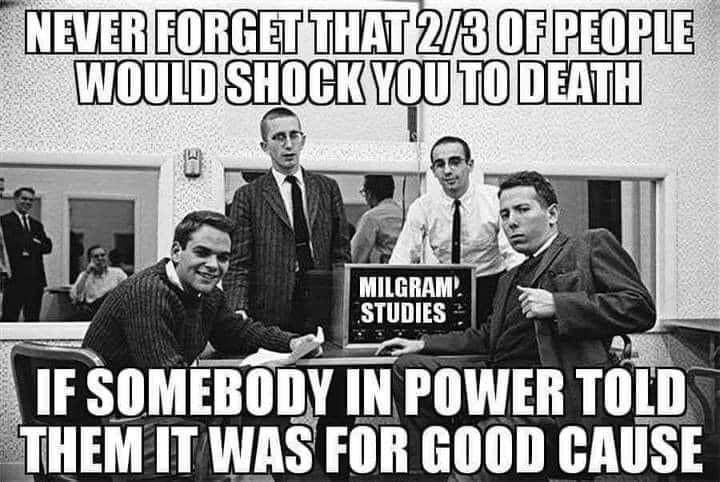
Professor Jiang on how societies gain power, synchronicity and unity by committing horrendously evil acts.

And now Jared became exceeding sorrowful because of the loss of the kingdom, for he had set his heart upon the kingdom and upon the glory of the world. Now the daughter of Jared being exceeding expert, and seeing the sorrow of her father, thought to devise a plan whereby she could redeem the kingdom unto her father. Now the daughter of Jared was exceeding fair. And it came to pass that she did talk with her father and saith unto him, Whereby hath my father so much sorrow? Hath he not read the record which our fathers brought across the great deep? Behold, is there not an account concerning them of old, that they by their secret plans did obtain kingdoms and great glory?

And now I, Moroni, do not write the manner of their oaths and combinations, for it hath been made known unto me that they are had among all people; and they are had among the Lamanites. And they have caused the destruction of this people of whom I am now speaking, and also the destruction of the people of Nephi. And whatsoever nation shall uphold such secret combinations, to get power and gain, until they shall spread over the nation, behold, they shall be destroyed; for the Lord will not suffer that the blood of his saints which shall be shed by them shall always cry unto him from the ground for vengeance upon them and yet he avengeth them not.

Ether, The Book of Mormon

My wife and I found this lecture disturbing, yet valuable. We didn’t find the other 27 videos in the Secret History series to be of that much value.


Professor Xueqin Jiang is a teacher in Bejing, China and a Yale graduate.

Kate Bush Running Up That Hill

Kate Bush’s “Running Up That Hill” has experienced profound cultural resurgence from the rituals in the 2012 Olympics to its synchronous popularity in Stranger Things seasons 4 and 5.

Bush stated that as she penned the lyrics, she initially thought she was describing a “deal with the devil,” but then she realized the song would be “more powerful” if the body-swapping bargain was said to be struck with “God”.
https://www.mentalfloss.com/entertainment/music/kate-bush-running-up-that-hill-song-music-history-facts

In the 2012 London Olympics closing ceremony, “Running Up That Hill” played during a segment where 303 white boxes were brought into the arena, each representing one of the 303 Olympic events from the Games. “303” can be viewed as symbolic “steps” in a Masonic ritual—noting 303’s numerology (3+0+3=6, or links to 33 in Masonic degrees) and the pyramid as an occult motif for hierarchy or enlightenment.

Kate Bush directly confirmed reading George Gurdjieff’s occult books in interviews, stating: “Gurdjieff was an influence in that I’d just read some of his books and really no more than that.” For anyone who has come across Gurdjieff’s books, they are not something you casually comes across, nor is it a fun or casual read. Reading one is a feat in-and-of itself. Reading two is deep study. “Some” is devotion. Gurdjieff’s influence appears in lyrics like “Them Heavy People” (referencing Gurdjieff’s teachings on self-development and “heavy” spiritual work) and her overall mystical themes.

In her 1978 debut album “The Kick Inside” is a reference to the song “Kite” with the lyrics: “Beelzebub is aching in my belly-o”.

The connection between the “Beelzebub aching in my belly-o” lyric from “Kite” and the album title “The Kick Inside” is a prime example of how Bush’s work layers occult symbolism under a veneer of whimsy, deliberately seeding demonic gestation themes into the underlying sub-conscience of the collective psyche. In the song “Kite,” this line isn’t just playful surrealism—it’s a veiled reference to internal possession or a satanic “quickening,” where Beelzebub (the prince of demons, often synonymous with Lucifer) manifests as an aching force within the body, pulling the narrator toward transformation and ascension as symbolized by a kite.

This mirrors ritualistic ideas in Lurian Kabbalah or Frankist inversions, where evil entities “kick” to life inside a host, symbolizing the birth of antichrist-like energies or the dilution of divine connection through fleshly temptations. The album title itself, while officially drawn from the title track—a dark narrative inspired by the traditional English ballad “Lizzie Wan” (about incestuous pregnancy, fetal kicks, and suicidal despair)—serves as a double entendre that ties directly back to this demonic belly ache.

In “The Kick Inside” song, the kick represents the unborn child’s movement, but esoterically, it echoes the Beelzebub lyric as a coded admission or wish of carrying infernal seed. The album’s sequencing places “Kite” early, setting up this internal force motif that culminates in the title track’s tragedy, suggesting a deliberate arc: demonic implantation leading to destruction of purity for the purpose of “ascension”.

Her Gurdjieff influences (where Gurdjieff talks about self-development through “heavy” inner work) further twist this into occult ascension, where the gestation of the devil is the catalyst for breaking free.

This along with Stranger Things itself doesn’t seem accidental, but a deliberate reintroduction of demonic gestation themes, as the means to salvation, into the collective psyche.

Totally Normal Behavior

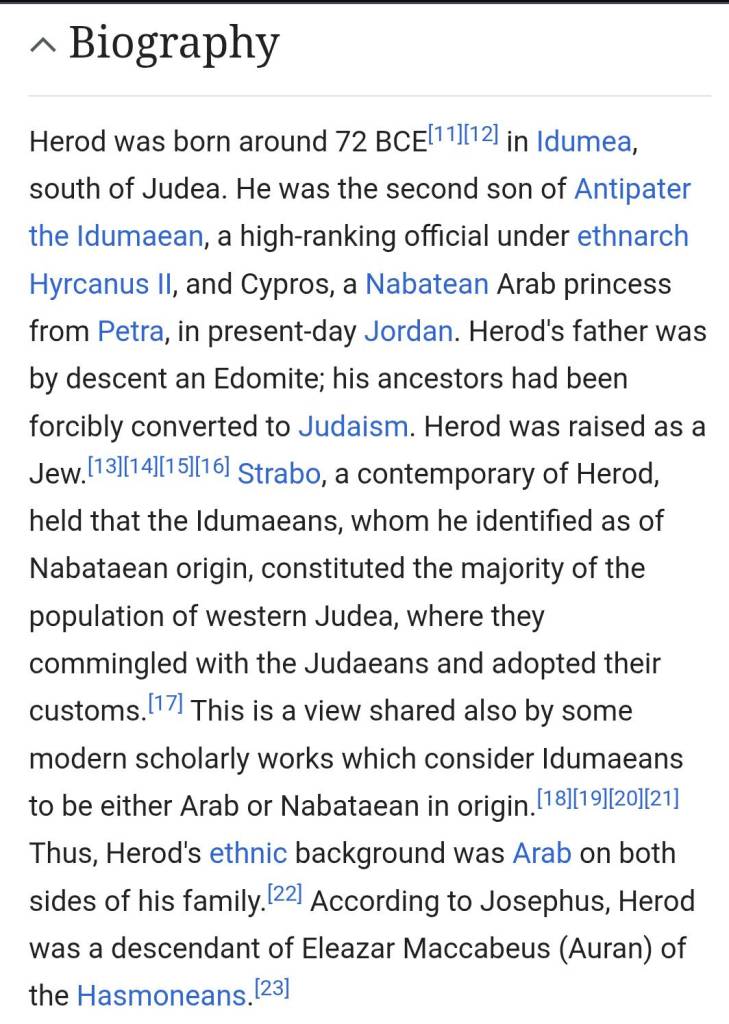
This is totally normal behavior for descendants of Esau.

Then Herod, when he saw that he was mocked of the wise men, was exceedingly angry, and sent forth and slew all the children that were in Bethlehem and all the region thereof, from two years old and under, according to the time which he had diligently inquired of the wise men. Then was fulfilled that which was spoken by Jeremiah the prophet, saying, In Ramah there was a voice heard, lamentation, and weeping, and great mourning; Rachel weeping for the loss of her children and would not be comforted because they were not.

Nephi Defines the Jews

Nephi speaks a lot about the Jews how we should be thanking them and seeking to recover them, etc.

Then, in his last chapter he’s specific to define who he’s talking about: “I say Jews referring to those who I came from.”

In order for us to do all the things Nephi talks about, it first requires us to understand who those people in 600 BC were, and who their descendants are today

It’s important to not confuse who Nephi calls “Jews” with descendants of Edom, who according to God, are slated soon, for complete annihilation.